Segmentation of Shopify audiences by behavior using Hyper Search & Filter makes personalized marketing and product discovery more targeted and effective. Hyper Search & Filter lets you slice customer groups based on what they browse, search for, and buy — directly inside your Shopify store — to better align your merchandising, promotions, and messaging.
These audience segments improve conversion by showing relevant products and content to shoppers with specific behaviors rather than treating all visitors the same. The behavior-based approach digs deeper than broad demographics by focusing on the real-time, actionable interactions that drive sales.
What does hyper search filter audience segmentation mean for Shopify merchants?
Hyper Search & Filter audience segmentation involves dividing your Shopify visitors into defined groups using data from their search queries, filtered product selections, and purchase history collected by the app. Each segment represents customers who share similar shopping behaviors.
This allows merchants to customize the storefront experience and marketing communications according to precise shopper intent and interests. For example, you can target customers who frequently filter by product color or size, or those who have searched for a type of product several times without buying.
Behavior-based segmentation also helps discover opportunities like identifying visitors who only browse deeply but don’t add to cart or those who rarely explore beyond popular categories. These insights reveal how segments behave uniquely and where tailored tactics improve engagement.
How can Hyper Search & Filter help create segments based on browsing and purchase behavior?
Hyper Search & Filter captures granular interaction data as customers use your Shopify store’s search and filter functions. Key segmentation features include:
-
Search term tracking: Group visitors by the keywords they enter, enabling targeting of groups interested in specific product types or features.
-
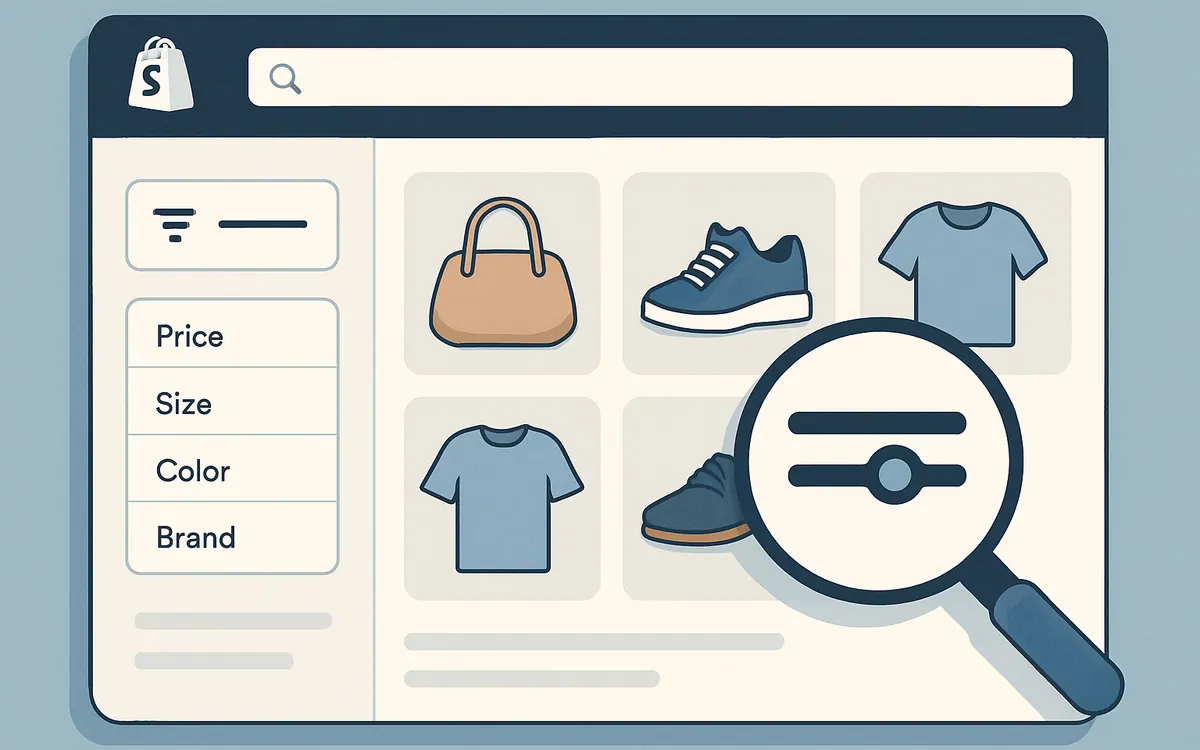
Filter usage patterns: Identify audience subsets based on how they apply filters like brand, price range, or product attributes.
-
Purchase history integration: Segment customers who have bought particular products or categories.
-
Zero-result search alerts: Spot audiences who frequently encounter searches returning no matches, highlighting gaps in inventory or merchandizing.
Once segments are defined, you can align Shopify store elements such as search result rankings, featured collections, and personalized messaging to better serve those groups. This fine level of control over discovery and product suggestion improves the chance that a visitor will find and buy what they want.
What are best practices for implementing behavior-based audience segmentation with Hyper Search & Filter?
-
Start with clear goals. Decide whether you want to increase average order value, reduce bounce rate, or reactivate lapsed shoppers. Clear objectives guide which behaviors to segment.
-
Use multiple signals. Combine search data, filter patterns, and purchase history rather than relying on a single behavior to get more robust segments.
-
Monitor zero-result searches. Segment customers whose search terms yield no results to optimize product assortment or suggest alternatives.
-
Test targeted merchandising variations. Use segmented data to adjust product recommendations or filter defaults for specific segments and A/B test their impact.
-
Pair with customer messaging. Sync segments with marketing channels (email, ads) so promotional content matches the behaviors observed in Hyper Search & Filter.
-
Update frequently. Customer behavior evolves quickly. Refresh segments regularly to reflect current data and maintain relevance.
How do Shopify merchants benefit commercially from audience segmentation using Hyper Search & Filter?
Segmenting audiences by behavior with Hyper Search & Filter improves customer experience and conversion by personalizing product discovery to align with shopper intent. Some commercial benefits include:
- Increased conversion rates by reducing discovery friction.
- Higher average order value from better product recommendations tailored to user behavior.
- Improved inventory efficiency through insights on popular search filters and zero-result terms.
- Better customer retention by engaging returning visitors with content based on past browsing or purchases.
- Informed marketing spend by targeting precise behavior-driven segments with ads and emails.
Overall, audience segmentation steers your Shopify store from generic buyer funnel stages into targeted, actionable groups that respond to nuanced merchandising and messaging.
What challenges and limitations should Shopify merchants consider with behavior-based segmentation?
-
Data volume: Smaller stores may have limited behavioral data to create detailed segments, limiting the granularity and reliability.
-
Privacy compliance: Tracking search and purchase behavior requires respect for customer privacy and adherence to GDPR, CCPA, and Shopify policies.
-
Segment overlap and complexity: Over-segmentation can lead to fragmented audiences that are hard to manage and optimize.
-
Technology integration: Segmentation works best when Hyper Search & Filter’s data is integrated smoothly with Shopify store themes and marketing tools.
-
Continuous management: Segments evolve; lack of regular review can make them outdated and ineffective.
Managing these considerations while adopting Hyper Search & Filter’s segmentation capabilities keeps your approach practical.
How to get started with Hyper Search & Filter audience segmentation?
-
Install the Hyper Search & Filter app in your Shopify store.
-
Set up search and filter options reflecting your product catalog attributes.
-
Enable behavioral data tracking within the app dashboard.
-
Analyze collected data to identify meaningful audience segments based on search terms, filter usage, and purchase patterns.
-
Use Shopify’s storefront customization and marketing apps to tailor the experience and content for each segment.
-
Measure results with Shopify analytics to confirm improvements and adjust segments or tactics over time.
Audience segmentation criteria at a glance
| Criterion | What to check | Why it matters |
|---|---|---|
| Search term patterns | Popular or recurring search keywords | Reveals customer interests and intent |
| Filter usage | Frequency of applying specific filters | Indicates preferences and product attributes |
| Purchase behavior | Products and categories purchased | Shows conversion drivers and high-value segments |
| Zero-result searches | Search queries returning no results | Identifies gaps in product catalog or merchandising |
| Interaction depth | Number and duration of product views | Measures engagement beyond superficial browsing |
As of August 2026, these criteria are essential to structuring and refreshing behavior-driven segments using Hyper Search & Filter.
FAQ
What is hyper search filter audience segmentation?
Hyper search filter audience segmentation is dividing Shopify customers into groups based on their search and filtering behavior in the storefront, enabling personalized product discovery and targeted marketing.
Can I use Hyper Search & Filter data with Shopify marketing apps?
Yes, you can export or sync segments defined by Hyper Search & Filter to Shopify marketing and CRM tools to deliver behavior-specific campaigns.
How often should I update audience segments?
Update segments regularly—monthly or quarterly depending on sales volume—to keep them aligned with evolving customer behavior.
Does Hyper Search & Filter track only on-site behavior?
Primarily yes, it focuses on search queries, filter use, and purchase history within the Shopify store to build segments.
Will segmenting audiences with Hyper Search & Filter improve conversion?
Segmentation helps personalize the shopping experience, which typically boosts discovery relevance and conversion rates.
Using Hyper Search & Filter for audience segmentation is a practical way to translate behavioral data into actionable merchandising and marketing steps. For merchants aiming to sharpen product discovery and customer targeting, starting with Hyper Search & Filter is a sound strategy. Read the blog to implement audience segmentation strategies today and turn browsing patterns into sales.